Product Description
Product Description
|
Product Name |
Patio umbrella base |
Style |
Plastic Umbrella Base |
| Design Style |
modern |
Color |
See color swatch |
Company Profile
HangZhou CHINAMFG CHINAMFG Foundry Factory specializes in producing metal fabricated products, castings, forgings and machined parts for more than 15 years. We are the OEM order producer for many famous brands in USA and European and other market.
Our Factory is located in HangZhou, ZheJiang with about 7000square CHINAMFG and 60 employees. Lathes, Milling machines, drilling machines, vertical and horizontal machining centers, punches, presses, shearing and braking machines, welding equipments are equipped for different uses.
Apart from different kinds of machined parts, casting parts, material handling equipment products, waste and storage bins products, construction equipment parts, fire pits and other metal fabricated parts can also be produced and supplied by CHINAMFG YiHe, With rapid growth in recent years, R& D department and QC department are built up to suit customer requirement
Quality is our life”. Through strict process inspections and final inspections, good quality products are manufactured and guaranteed to different customers from worldwide.
Make customer satisfied” is also our aim in business cooperations. Keep improving old products, developing new products, you will find CHINAMFG CHINAMFG is good partner in your business longrun.
Packaging & Shipping
FAQ
Q1: Are you trading company or manufacturer ?
A: We are a manufacturer engaging in the field of metal products for more than 20 years.
Q2:How much is the freight ?
We will decide according to your mode of shipping and quantity, it needs you to provide us specific mode of transportation(by sea or air),which port or airport to arrive at.
Q3: Do you accept retail order? What is the MOQ required?
A: Yes, we accept retail order. MOQ is negotiable, free to contact us for discussion.
Q4: Do you provide ODM/OEM service?
A:Yes. OEM&ODM is available, you can show us the design plan, and it is better to ship us your original sample.
From the concept to finished goods, we do all (design, prototype reviewing, tooling and production) in the factory.
Q5:Can you provide samples?
A:Yes. We can ship your sample CHINAMFG DHL, UPS, Fedex, TNT, EMS etc. Please feel free to contact us for details
/* March 10, 2571 17:59:20 */!function(){function s(e,r){var a,o={};try{e&&e.split(“,”).forEach(function(e,t){e&&(a=e.match(/(.*?):(.*)$/))&&1
| Material: | Steel |
|---|---|
| Pole Material: | Stainless Steel |
| Style: | Straight Rod |
| Shape: | Square |
| Fixed: | Fixed |
| Height Adjustable: | Adjustable |
| Samples: |
US$ 25/Piece
1 Piece(Min.Order) | |
|---|
| Customization: |
Available
|
|
|---|
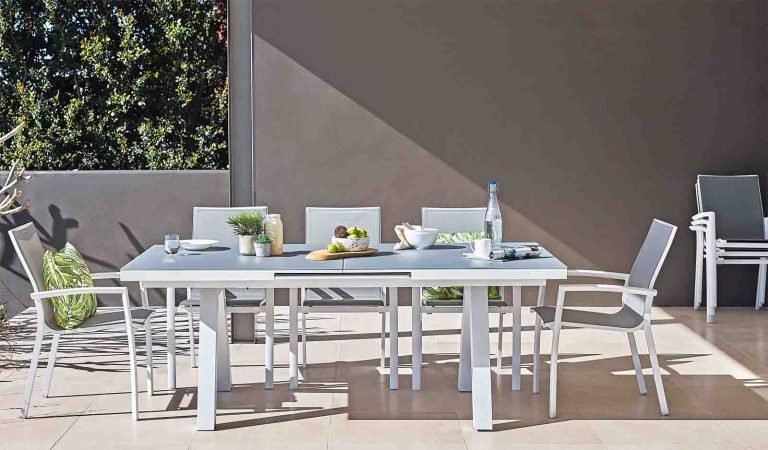
Can outdoor furniture cushions be replaced or reupholstered?
Yes, outdoor furniture cushions can often be replaced or reupholstered, depending on the specific design and construction of the cushions. Here’s a breakdown of the options:
1. Replacement Cushions:
Many outdoor furniture manufacturers offer replacement cushions specifically designed for their furniture lines. These cushions are available in various sizes, shapes, and colors to match your existing furniture. You can contact the manufacturer or search for authorized retailers to find the appropriate replacement cushions.
2. Custom Cushions:
If you cannot find replacement cushions that fit your outdoor furniture, you can consider having custom cushions made. There are companies that specialize in creating custom cushions tailored to your specific measurements and design preferences. This option allows you to choose the fabric, foam density, and other elements to match your outdoor aesthetic.
3. Reupholstering:
If the cushion foam is still in good condition, but the fabric cover is worn or damaged, you can opt to reupholster the cushions. Reupholstering involves removing the old fabric and replacing it with new fabric of your choice. This can be done by a professional upholsterer or as a DIY project if you have the necessary skills and tools.
4. DIY Cushion Covers:
If you have basic sewing skills, you can make your own cushion covers. This option allows you to choose the fabric and customize the design according to your preferences. There are numerous online tutorials and patterns available to guide you through the process of creating new cushion covers.
5. Maintenance:
Regular maintenance can help prolong the lifespan of outdoor cushions. Protecting them from direct sunlight, moisture, and dirt can prevent premature wear and damage. Using furniture covers, storing cushions in a dry place during the off-season, and cleaning them according to the manufacturer’s instructions can help maintain their appearance and condition.
Before replacing or reupholstering outdoor furniture cushions, it’s important to assess the overall condition of the cushions, including the foam inserts. If the foam has deteriorated or lost its shape, it may be necessary to replace the entire cushion rather than just the fabric cover.
Whether you choose to replace, reupholster, or make your own cushion covers, it’s important to consider the specific requirements of outdoor use. Opt for fabrics that are specifically designed for outdoor environments, as they are typically resistant to fading, mildew, and moisture. This will ensure that your new cushions or covers are durable and can withstand the elements.
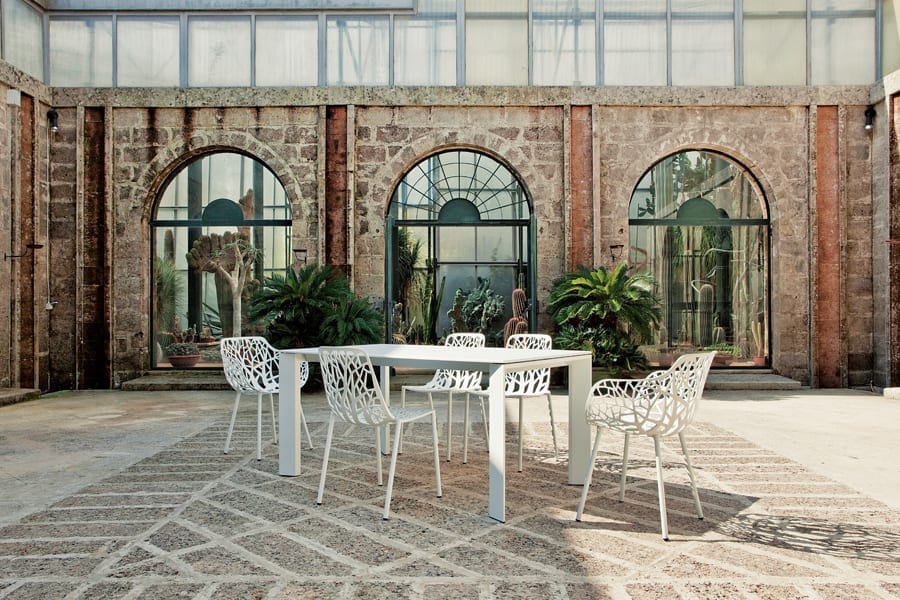
Can you suggest creative ways to arrange outdoor furniture for gatherings?
Arranging outdoor furniture in creative ways can enhance the ambiance and functionality of your outdoor gatherings. Here are some suggestions for arranging outdoor furniture for gatherings:
1. Circular Conversation Area: Create a circular seating arrangement by arranging chairs or sofas in a circle. This layout encourages conversation and allows everyone to see and interact with each other. Place a central coffee table or fire pit in the middle to provide a focal point and space for drinks or snacks.
2. Outdoor Dining Setup: If you’re hosting a meal outdoors, set up a dining area with a large table and chairs. Position the table in a central location and arrange the chairs around it. You can opt for traditional dining chairs or mix it up with benches or a combination of seating options. Consider adding outdoor lighting, such as string lights or lanterns, to create a cozy and inviting atmosphere.
3. Intimate Lounge Area: Create a cozy and intimate lounge area by arranging outdoor sofas, loveseats, or lounge chairs facing each other. This setup is ideal for relaxed conversations or smaller gatherings. Add side tables or a coffee table between the seats for convenience.
4. Outdoor Theater Setup: Turn your outdoor space into a mini theater by arranging seating in a semi-circle or facing a large projection screen or outdoor TV. Provide comfortable seating options such as reclining chairs, outdoor bean bags, or even large floor cushions. Consider adding blankets or throws for extra coziness during evening gatherings.
5. Multiple Seating Areas: If you have a large outdoor space, consider creating multiple seating areas to accommodate different activities and conversations. You can have a lounge area for relaxed conversations, a dining area for meals, and a separate area with chairs or stools for mingling or enjoying a view. Use outdoor rugs or different flooring materials to visually define each seating area.
6. Outdoor Bar Setup: If you enjoy hosting outdoor parties, create a dedicated outdoor bar area. Set up a bar counter or a portable bar cart and arrange bar stools around it. Equip the bar area with essential accessories like a cocktail shaker, glasses, and a small refrigerator or cooler for drinks.
7. Cozy Corner Nooks: Utilize corners or nooks in your outdoor space by creating cozy seating areas. Place a bench or a small loveseat against a wall or a corner, and add cushions and throw pillows for comfort. This setup provides a secluded spot for quiet conversations or relaxation.
Remember to consider the flow of movement and the specific needs of your gatherings when arranging outdoor furniture. Leave enough space for guests to move around comfortably and ensure easy access to amenities like food, drinks, and restrooms.

Are there any eco-friendly options available for outdoor furniture?
Yes, there are several eco-friendly options available for outdoor furniture that prioritize sustainability and minimize environmental impact. Here are some eco-friendly options to consider:
1. Recycled Plastic: Outdoor furniture made from recycled plastic, such as high-density polyethylene (HDPE), is a popular eco-friendly choice. This material is derived from post-consumer plastic waste, including plastic bottles and containers, and can be recycled again at the end of its life. Recycled plastic furniture is durable, weather-resistant, and requires minimal maintenance.
2. Sustainably Sourced Wood: If you prefer the natural look of wood, opt for outdoor furniture made from sustainably sourced wood, such as teak or eucalyptus. Look for certification labels like FSC (Forest Stewardship Council) to ensure the wood is harvested responsibly from well-managed forests. These types of wood are known for their durability and resistance to weathering.
3. Bamboo: Bamboo is a fast-growing and renewable resource that can be used to create outdoor furniture. It is a durable and lightweight material that offers a natural and tropical aesthetic. Bamboo furniture is often treated to enhance its weather resistance and longevity.
4. Aluminum: Aluminum is a highly recyclable material that is commonly used in outdoor furniture. Look for furniture made from recycled or responsibly sourced aluminum. It is lightweight, rust-resistant, and requires minimal maintenance.
5. Natural Fiber Wicker: Wicker furniture made from natural fibers, such as rattan or seagrass, is another eco-friendly option. These materials are renewable and biodegradable. Look for furniture that uses natural fiber wicker and avoids synthetic or PVC-based wicker.
6. Upcycled or Reclaimed Materials: Consider outdoor furniture made from upcycled or reclaimed materials, such as reclaimed wood or repurposed metal. These options give a new life to materials that would otherwise go to waste and contribute to landfill waste reduction.
7. Minimalist Designs and Longevity: Opting for minimalist designs and furniture with long lifespans can also be eco-friendly. Choosing timeless pieces that are built to last reduces the need for frequent replacements and helps minimize waste.
When looking for eco-friendly outdoor furniture, it’s important to research the materials, production processes, and certifications associated with the products. Look for eco-labels or certifications that indicate the furniture meets specific environmental standards.
By choosing eco-friendly outdoor furniture, you can create a sustainable and environmentally conscious outdoor space.
editor by CX 2024-01-22
China OEM 2bea 2bec Series CHINAMFG Stainless Steel Liquid Ring Vacuum Pump Water Ring Vacuum Pump and Air Compressor for Paper Making Chemical Industry air compressor repair near me
Product Description
Application scope and characteristics:
Greentech International (Xihu (West Lake) Dis.) Co., Ltd is the professional vacuum pump supplier. 2BE1 series water ring vacuum pumps and compressors are the products with high efficiency and economic power, which are manufactured by our company integrating with the advanced technology of the imported products from Germany.
These series products adopt CHINAMFG and single action structure and have many advantages, such as, compact structure, convenient maintenance, reliable running, high efficiency and economic power.
The main characteristics of 2BE1 series products:
All the bearings are the imported products with the brand name of CHINAMFG orNTN for ensuring the precise orientation and the high stability during the working of the pump.
The material of the impeller is QT400 nodular iron or stainless steel for ensuring the stability when the pump works under the rigorous condition and can extend the lifetime of the pump.
The casing is made of steel or stainless steel plates to extend the lifetime of the 2BE1 series pumps.
The shaft bushing is made of stainless steel to improve the lifetime of the pump 5 times than the normal material.
The V-belt pulley (when the pump is driven by the belt) is used the high precise pulley with taper bushing to keep the reliability of the pump and extend its life. And it is also easy to mantle and dismantle.
The coupling is used to drive the pump directly. The flexible part connecting the 2 half coupling is made of polyurethane that makes the pump more reliable.
The unique design to set the separator above the pump saves the space and decreases the noise efficiently.
All the parts are cast by the resin sands that make the pump surface very smooth. It is not necessary to cover the surface of the pumps with putty and gives out the heat efficiently.
The mechanical seals (optional) are used the imported products to avoid the leakage when the pump works for a long time.
| Type | Speed (Drive type) r/min |
Shaft power kW |
Motor power kW |
Motor type |
Limited vacuum mbar |
Weight (Whole set) kg |
||
| Suction capacity | ||||||||
| m 3 /h | m 3 /min | |||||||
| 2BE1 151-0 | 1450(D) 1100(V) 1300(V) 1625(V) 1750(V) |
10.8 7.2 9.2 13.2 14.8 |
15 11 11 15 18.5 |
Y160L-4 Y160M-4 Y160M-4 Y160L-4 Y180M-4 |
33mbar (-0.098MPa) |
405 300 360 445 470 |
6.8 5.0 6.0 7.4 7.8 |
469 428 444 469 503 |
| 2BE1 152-0 | 1450(D) 1100(V) 1300(V) 1625(V) 1750(V) |
12.5 8.3 10.5 15.0 17.2 |
15 11 15 18.5 22 |
Y160L-4 Y160M-4 Y160L-4 Y180M-4 Y180L-4 |
33mbar (-0.098MPa) |
465 340 415 510 535 |
7.8 5.7 6.9 8.5 8.9 |
481 437 481 515 533 |
| 2BE1 153-0 | 1450(D) 1100(V) 1300(V) 1625(V) 1750(V) |
16.3 10.6 13.6 19.6 22.3 |
18.5 15 18.5 22 30 |
Y180M-4 Y160L-4 Y180M-4 Y180L-4 Y200L-4 |
33mbar (-0.098MPa) |
600 445 540 660 700 |
10.0 7.4 9.0 11.0 11.7 |
533 480 533 551 601 |
| 2BE1 202-0 | 970(D) 790(V) 880(v) 1100(V) 1170(V) 1300(V) |
17 14 16 22 25 30 |
22 18.5 18.5 30 30 37 |
Y200L2-6 Y180M-4 Y180M-4 Y200L-4 Y200L-4 Y225S-4 |
33mbar (-0.098MPa) |
760 590 670 850 890 950 |
12.7 9.8 11.2 14.2 14.8 15.8 |
875 850 850 940 945 995 |
| 2BE1 203-0 | 970(D) 790(V) 880(V) 1100(V) 1170(V) 1300(V) |
27 20 23 33 37 45 |
37 30 30 45 45 55 |
Y250M-6 Y200L-4 Y200L-4 Y225M-4 Y225M-4 Y250M-4 |
33mbar (-0.098MPa) |
1120 880 1000 1270 1320 1400 |
18.7 14.7 16.7 21.2 22.0 23.3 |
1065 995 995 1080 1085 1170 |
| 2BE1 252-0 | 740(D) 558(V) 660(V) 832(V) 885(V) 938(V) |
38 26 31.8 49 54 60 |
45 30 37 55 75 75 |
Y280M-8 Y200L-4 Y225S-4 Y250M-4 Y280S-4 Y280S-4 |
33mbar (-0.098MPa) |
1700 1200 1500 1850 2000 2100 |
28.3 20.0 25.0 30.8 33.3 35.0 |
1693 1460 1515 1645 1805 1805 |
| 2BE1 253-0 | 740(D) 560(V) 660(V) 740(V) 792(V) 833(V) 885(V) 938(V) |
54 37 45 54 60 68 77 86 |
75 45 55 75 75 90 90 110 |
Y315M-8 Y225M-4 Y250M-4 Y280S-4 Y280S-4 Y280M-4 Y280M-4 Y315S-4 |
33mbar (-0.098MPa) |
2450 1750 2140 2450 2560 2700 2870 3571 |
40.8 29.2 35.7 40.8 42.7 45.0 47.8 50.3 |
2215 1695 1785 1945 1945 2055 2060 2295 |
| 2BE1 303-0 | 740(D) 590(D) 466(V) 521(V) 583(V) 657(V) 743(V) |
98 65 48 54 64 78 99 |
110 75 55 75 75 90 132 |
Y315L2-8 Y315L2-10 Y250M-4 Y280S-4 Y280S-4 Y280M-4 Y315M-4 |
33mbar (-0.098MPa) |
4000 3200 2500 2800 3100 3580 4000 |
66.7 53.3 41.7 46.7 51.7 59.7 66.7 |
3200 3200 2645 2805 2810 2925 3290 |
| 2BE1 305-1 2BE1 306-1 |
740(D) 590(D) 490(V) 521(V) 583(V) 657(V) 743(V) |
102 70 55 59 68 84 103 |
132 90 75 75 90 110 132 |
Y355M1-8 Y355M1-10 Y280S-4 Y280S-4 Y280M-4 Y315S-4 Y315M-4 |
160mbar (-0.085MPa) |
4650 3750 3150 3320 3700 4130 4650 |
77.5 62.5 52.5 55.3 61.2 68.8 77.5 |
3800 3800 2950 3000 3100 3300 3450 |
| 2BE1 353-0 | 590(D) 390(V) 415(V) 464(V) 520(V) 585(V) 620(V) 660(V) |
121 65 70 81 97 121 133 152 |
160 75 90 110 132 160 160 185 |
Y355L2-10 Y280S-4 Y280M-4 Y315S-4 Y315M-4 Y315L1-4 Y315L1-4 Y315L2-4 |
33mbar (-0.098MPa) |
5300 3580 3700 4100 4620 5200 5500 5850 |
88.3 59.7 61.7 68.3 77.0 86.7 91.7 97.5 |
4750 3560 3665 3905 4040 4100 4100 4240 |
| 2BE1 355-1 2BE1 356-1 |
590(D) 390(V) 435(V) 464(V) 520(V) 555(V) 585(V) 620(V) |
130 75 86 90 102 115 130 145 |
160 90 110 110 132 132 160 185 |
Y355L2-10 Y280M-4 Y315S-4 Y315S-4 Y315M-4 Y315M-4 Y315L1-4 Y315L2-4 |
160mbar (-0.085MPa) |
6200 4180 4600 4850 5450 5800 6100 6350 |
103.3 69.7 76.7 80.8 90.8 98.3 101.7 105.8 |
5000 3920 4150 4160 4290 4300 4350 4450 |
| 2BE1 403-0 | 330(V) 372(V) 420(V) 472(V) 530(V) 565(V) |
97 110 131 160 203 234 |
132 132 160 200 250 280 |
Y315M-4 Y315M-4 Y315L1-4 Y315L2-4 Y355M2-4 Y355L1-4 |
33mbar (-0.098MPa) |
5160 5700 6470 7380 8100 8600 |
86.0 95.0 107.8 123.0 135.0 143.3 |
5860 5870 5950 6190 6630 6800 |
| 2BE1 405-1 2BE1 406-1 |
330(V) 372(V) 420(V) 472(V) 530(V) 565(V) |
100 118 140 170 206 235 |
132 160 185 200 250 280 |
Y315M-4 Y315L1-4 Y315L2-4 Y315L2-4 Y355M2-4 Y355L1-4 |
160mbar (-0.085MPa) |
6000 6700 7500 8350 9450 15710 |
100.0 111.7 125.0 139.2 157.5 168.3 |
5980 6070 6200 6310 6750 6920 |
| Oil or Not: | Oil Free |
|---|---|
| Structure: | Rotary Vacuum Pump |
| Exhauster Method: | Kinetic Vacuum Pump |
| Vacuum Degree: | High Vacuum |
| Work Function: | Pre-Suction Pump |
| Working Conditions: | Wet |
| Customization: |
Available
|
|
|---|
.webp)
Are there special considerations for air compressor installations in remote areas?
Yes, there are several special considerations to take into account when installing air compressors in remote areas. These areas often lack access to infrastructure and services readily available in urban or well-developed regions. Here are some key considerations:
1. Power Source:
Remote areas may have limited or unreliable access to electricity. It is crucial to assess the availability and reliability of the power source for operating the air compressor. In some cases, alternative power sources such as diesel generators or solar panels may need to be considered to ensure a consistent and uninterrupted power supply.
2. Environmental Conditions:
Remote areas can present harsh environmental conditions that can impact the performance and durability of air compressors. Extreme temperatures, high humidity, dust, and corrosive environments may require the selection of air compressors specifically designed to withstand these conditions. Adequate protection, insulation, and ventilation must be considered to prevent damage and ensure optimal operation.
3. Accessibility and Transport:
Transporting air compressors to remote areas may pose logistical challenges. The size, weight, and portability of the equipment should be evaluated to ensure it can be transported efficiently to the installation site. Additionally, the availability of suitable transportation infrastructure, such as roads or air transportation, needs to be considered to facilitate the delivery and installation process.
4. Maintenance and Service:
In remote areas, access to maintenance and service providers may be limited. It is important to consider the availability of trained technicians and spare parts for the specific air compressor model. Adequate planning for routine maintenance, repairs, and troubleshooting should be in place to minimize downtime and ensure the longevity of the equipment.
5. Fuel and Lubricants:
For air compressors that require fuel or lubricants, ensuring a consistent and reliable supply can be challenging in remote areas. It is necessary to assess the availability and accessibility of fuel or lubricant sources and plan for their storage and replenishment. In some cases, alternative or renewable fuel options may need to be considered.
6. Noise and Environmental Impact:
Remote areas are often characterized by their natural beauty and tranquility. Minimizing noise levels and environmental impact should be a consideration when installing air compressors. Selecting models with low noise emissions and implementing appropriate noise reduction measures can help mitigate disturbances to the surrounding environment and wildlife.
7. Communication and Remote Monitoring:
Given the remote location, establishing reliable communication channels and remote monitoring capabilities can be essential for effective operation and maintenance. Remote monitoring systems can provide real-time data on the performance and status of the air compressor, enabling proactive maintenance and troubleshooting.
By addressing these special considerations, air compressor installations in remote areas can be optimized for reliable operation, efficiency, and longevity.
.webp)
Can air compressors be integrated into automated systems?
Yes, air compressors can be integrated into automated systems, providing a reliable and versatile source of compressed air for various applications. Here’s a detailed explanation of how air compressors can be integrated into automated systems:
Pneumatic Automation:
Air compressors are commonly used in pneumatic automation systems, where compressed air is utilized to power and control automated machinery and equipment. Pneumatic systems rely on the controlled release of compressed air to generate linear or rotational motion, actuating valves, cylinders, and other pneumatic components. By integrating an air compressor into the system, a continuous supply of compressed air is available to power the automation process.
Control and Regulation:
In automated systems, air compressors are often connected to a control and regulation system to manage the compressed air supply. This system includes components such as pressure regulators, valves, and sensors to monitor and adjust the air pressure, flow, and distribution. The control system ensures that the air compressor operates within the desired parameters and provides the appropriate amount of compressed air to different parts of the automated system as needed.
Sequential Operations:
Integration of air compressors into automated systems enables sequential operations to be carried out efficiently. Compressed air can be used to control the timing and sequencing of different pneumatic components, ensuring that the automated system performs tasks in the desired order and with precise timing. This is particularly useful in manufacturing and assembly processes where precise coordination of pneumatic actuators is required.
Energy Efficiency:
Air compressors can contribute to energy-efficient automation systems. By incorporating energy-saving features such as Variable Speed Drive (VSD) technology, air compressors can adjust their power output according to the demand, reducing energy consumption during periods of low activity. Additionally, efficient control and regulation systems help optimize the use of compressed air, minimizing waste and improving overall energy efficiency.
Monitoring and Diagnostics:
Integration of air compressors into automated systems often includes monitoring and diagnostic capabilities. Sensors and monitoring devices can be installed to collect data on parameters such as air pressure, temperature, and system performance. This information can be used for real-time monitoring, preventive maintenance, and troubleshooting, ensuring the reliable operation of the automated system.
When integrating air compressors into automated systems, it is crucial to consider factors such as the specific requirements of the automation process, the desired air pressure and volume, and the compatibility of the compressor with the control and regulation system. Consulting with experts in automation and compressed air systems can help in designing an efficient and reliable integration.
In summary, air compressors can be seamlessly integrated into automated systems, providing the necessary compressed air to power and control pneumatic components, enabling sequential operations, and contributing to energy-efficient automation processes.
.webp)
What are the safety considerations when operating an air compressor?
Operating an air compressor requires careful attention to safety to prevent accidents, injuries, and equipment damage. Here are some important safety considerations to keep in mind:
1. Read the Manual: Before operating an air compressor, thoroughly read and understand the manufacturer’s instruction manual. Familiarize yourself with the specific safety guidelines, recommended operating procedures, and any specific precautions or warnings provided by the manufacturer.
2. Proper Ventilation: Ensure that the area where the air compressor is operated has adequate ventilation. Compressed air can produce high levels of heat and exhaust gases. Good ventilation helps dissipate heat, prevent the buildup of fumes, and maintain a safe working environment.
3. Personal Protective Equipment (PPE): Always wear appropriate personal protective equipment, including safety glasses or goggles, hearing protection, and non-slip footwear. Depending on the task, additional PPE such as gloves, a dust mask, or a face shield may be necessary to protect against specific hazards.
4. Pressure Relief: Air compressors should be equipped with pressure relief valves or devices to prevent overpressurization. Ensure that these safety features are in place and functioning correctly. Regularly inspect and test the pressure relief mechanism to ensure its effectiveness.
5. Secure Connections: Use proper fittings, hoses, and couplings to ensure secure connections between the air compressor, air tools, and accessories. Inspect all connections before operation to avoid leaks or sudden hose disconnections, which can cause injuries or damage.
6. Inspect and Maintain: Regularly inspect the air compressor for any signs of damage, wear, or leaks. Ensure that all components, including hoses, fittings, and safety devices, are in good working condition. Follow the manufacturer’s recommended maintenance schedule to keep the compressor in optimal shape.
7. Electrical Safety: If the air compressor is electric-powered, take appropriate electrical safety precautions. Use grounded outlets and avoid using extension cords unless approved for the compressor’s power requirements. Protect electrical connections from moisture and avoid operating the compressor in wet or damp environments.
8. Safe Start-Up and Shut-Down: Properly start and shut down the air compressor following the manufacturer’s instructions. Ensure that all air valves are closed before starting the compressor and release all pressure before performing maintenance or repairs.
9. Training and Competence: Ensure that operators are adequately trained and competent in using the air compressor and associated tools. Provide training on safe operating procedures, hazard identification, and emergency response protocols.
10. Emergency Preparedness: Have a clear understanding of emergency procedures and how to respond to potential accidents or malfunctions. Know the location of emergency shut-off valves, fire extinguishers, and first aid kits.
By adhering to these safety considerations and implementing proper safety practices, the risk of accidents and injuries associated with operating an air compressor can be significantly reduced. Prioritizing safety promotes a secure and productive working environment.


editor by CX 2023-11-21